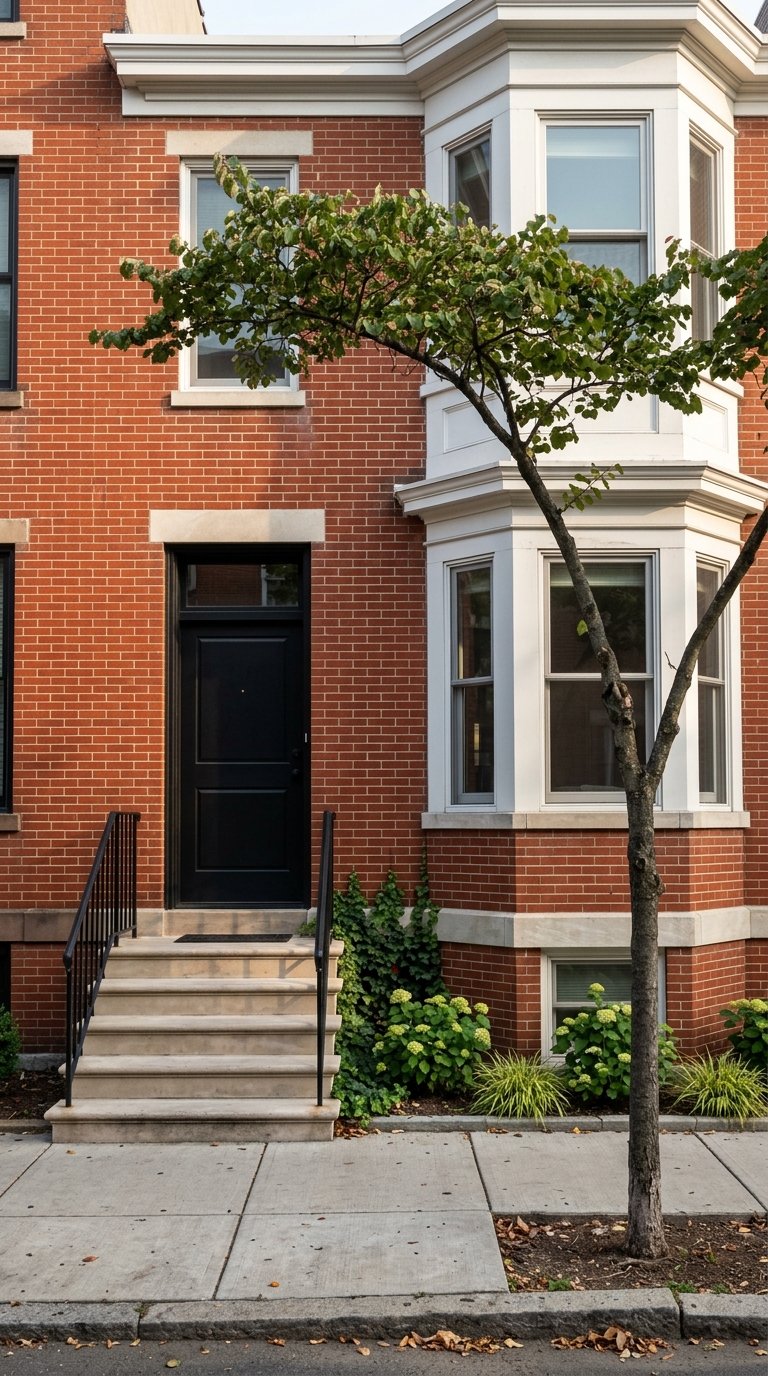
Are you starting to look around your Wilmette home and wonder whether it still fits the way you live now? Downsizing can feel emotional, practical, and financial all at once, especially if you have spent years in a family home filled with memories. The good news is that with the right plan, you can simplify your space, protect your equity, and make your next move feel much more manageable. Let’s dive in.
Why downsizing is a real conversation in Wilmette
Wilmette is a place where many homeowners stay for a long time. Census data shows 87.9% of housing units are owner-occupied, and 21.7% of residents are 65 or older. That helps explain why many owners eventually reach a point where a large house no longer matches their day-to-day needs.
Household size also supports that shift. CMAP data shows 24.4% one-person households and 30.2% two-person households in Wilmette. For many empty nesters, that means extra bedrooms, stairs, and maintenance may start to feel less useful than they once did.
At the same time, Wilmette remains a high-value market. Census QuickFacts puts the median value of owner-occupied housing at $810,600, which means downsizing is often not just about less space. It is also about making a thoughtful decision about lifestyle, convenience, and how to use the value built up in your home.
What makes downsizing in Wilmette unique
One of the biggest local realities is that Wilmette is still dominated by detached homes. DePaul housing data estimates that 80.6% of housing units are single-family, while condos make up 8.3% and buildings with 5 or more units make up 9.8%. In simple terms, there are far fewer condo options than single-family homes inside the village.
That limited supply shows up in sales activity too. In 2024, Wilmette recorded 326 single-family sales and just 44 condo sales. If you want to stay in Wilmette and move into a condo, you may need to be patient, flexible, or ready to act when the right property comes up.
This is also a live local planning issue. Wilmette is developing a Housing Plan after adopting its Comprehensive Plan in June 2024, which signals that housing diversity and lifecycle housing are active topics in the community. For downsizers, that matters because it reflects a growing awareness that many residents want more housing choices as their needs change.
Start with your goals, not square footage
Before you tour condos or prepare your house for sale, it helps to define what downsizing means for you. Some homeowners want less upkeep. Others want one-level living, elevator access, or a location closer to transit, groceries, and everyday services.
Your next home does not have to check every box your family home once did. In many cases, downsizing works best when you focus on how you want to live now, not how you lived 10 or 20 years ago. That mindset makes trade-offs easier and helps you move forward with more confidence.
How to prepare your family home for sale
If you have owned your home for many years, preparation can feel overwhelming at first. The key is to focus on improvements that help buyers see the home clearly and feel confident about its condition.
Recent staging guidance offers a useful benchmark. In NAR's 2025 staging report, 29% of agents said staging increased the dollar value offered by 1% to 10%, and 49% said staging reduced time on market. That is why thoughtful presentation often matters more than expensive remodeling.
Focus on the basics first
For most long-held homes, the best first steps are practical ones:
- Declutter each room so the layout feels clear
- Deep clean surfaces, floors, and windows
- Address obvious maintenance items
- Refresh curb appeal with simple landscaping and entry touch-ups
- Remove excess furniture where possible to improve flow
These steps can make a home feel lighter, larger, and easier for buyers to picture as their own.
Avoid over-improving
Major renovations are not always necessary before a sale. In many cases, basic updates and polished presentation offer a better return than starting a full remodel right before listing. A smart pricing and preparation strategy should reflect your home’s condition, the current market, and what buyers are responding to locally.
Timing your sale in a competitive market
Timing matters, but planning matters even more. National guidance points to mid-April as a potential window for higher prices, lower competition, and faster sales. Still, in a market like Wilmette, the more important takeaway is to prepare early so you can list when your home is truly ready.
Current local conditions show why that preparation counts. Redfin describes the Wilmette market as very competitive, with homes selling in around 35 days and a three-month median sale price of about $1.279 million in May 2026. In a fast-moving market, buyers notice presentation, pricing, and condition right away.
If you are also buying your next home, your timeline needs extra coordination. Downsizers often do best when they plan the sale, the search, and the move together rather than treating them as separate projects.
Where to look if Wilmette inventory feels tight
Because Wilmette has a relatively small condo market, some downsizers expand their search beyond village limits. That does not mean leaving your lifestyle behind. It means widening your options when the housing type you want is in shorter supply.
Evanston is the clearest nearby comparison. According to DePaul housing data, Evanston has a very different mix, with 25.1% condos, 32.8% buildings with 5 or more units, and 10.0% 2-to-4 unit buildings. For buyers who want a smaller footprint, elevator access, or lower-maintenance living, that broader inventory can create more choices.
What to compare in a condo search
When you move from a house to a condo, the decision is about more than price and size. The details of the building and daily living experience become much more important.
Use a checklist like this as you compare options:
- Stairs versus one-level access
- Elevator availability
- Parking type and convenience
- Storage space
- HOA dues
- HOA reserve strength
- Pet rules
- Proximity to transit
- Distance to groceries and health care
In a smaller market like Wilmette, you may need to trade some private space for convenience and easier upkeep. A clear checklist helps you stay focused on what matters most.
Understand the closing details early
Downsizing often feels simpler once the house is sold, but local closing logistics still need attention. In Wilmette, the village charges a real estate transfer tax of $3 per $1,000 of consideration, and the buyer is responsible.
The village also requires a final water meter reading and payment of any outstanding village bills before transfer stamps are released. That means closing coordination should begin well before settlement so there are no last-minute delays. When you are juggling a sale, purchase, and move, these details are easier to handle with a clear timeline.
Know the Cook County tax exemptions
If you are 65 or older, property tax exemptions can affect your carrying costs before and after a move. Cook County’s Senior Exemption is available to owner-occupants age 65 and older, and it renews automatically.
Cook County also says that if you move, you may be eligible for a prorated Senior Exemption based on time of occupancy. The county notes that a closing or settlement statement, plus proof of age and residency, may be required. That makes it important to keep your paperwork organized during the transition.
The Senior Exemption also carries the Homeowner Exemption automatically. Cook County says the Homeowner Exemption saves a property owner an average of about $950 per year, so filing promptly after closing can make a meaningful difference in your annual costs.
There is also a separate Low-Income Senior Assessment Freeze. This program must be filed annually and applies to homeowners who qualify for the senior exemption and meet income requirements. The household income limit is $65,000 for calendar year 2024, rising to $75,000 for tax year 2026, then $77,000 in 2028 and $79,000 in 2029.
Cook County also offers a senior citizen tax deferral program through the Treasurer’s Office. If tax planning is part of your downsizing strategy, it helps to review these options early, not after the move is complete.
Build a downsizing plan that feels manageable
A successful downsizing move usually happens in stages. First, define your priorities for the next home. Then prepare the current home thoughtfully, review likely costs and timelines, and create a plan for the search, sale, and move that works together.
This kind of transition is rarely just a real estate transaction. It is a lifestyle change, and often an emotional one too. Having experienced guidance can help you make clear decisions without feeling rushed.
If you are thinking about downsizing in Wilmette, Summerville Partners can help you evaluate your home, understand your options, and build a smart plan for your next chapter.
FAQs
What makes downsizing in Wilmette different from other North Shore moves?
- Wilmette has a housing stock that is heavily weighted toward single-family homes, with relatively limited condo inventory, so your search for a smaller home may require more flexibility.
How many condo options are typically available in Wilmette?
- DePaul housing data shows condos make up 8.3% of Wilmette housing units, and in 2024 there were 44 condo sales compared with 326 single-family sales.
When should you list a family home in Wilmette before downsizing?
- Mid-April may be a strong seasonal window, but in Wilmette the bigger advantage often comes from preparing early so your home is ready for a competitive market.
What should you look for when buying a condo after a Wilmette house?
- Focus on practical factors such as stairs, elevator access, parking, storage, HOA dues, reserves, pet rules, and proximity to transit, groceries, and health care.
What local closing steps should Wilmette sellers know about?
- Wilmette requires a final water meter reading and payment of outstanding village bills before transfer stamps are released, so those steps should be handled well before closing.
What Cook County exemptions matter after downsizing?
- Depending on your age and eligibility, the Senior Exemption, Homeowner Exemption, Low-Income Senior Assessment Freeze, and senior tax deferral program may affect your post-move property tax costs.