Trying to choose between Evanston and Wilmette? If you are narrowing your next move on the North Shore, this is one of the most common and most important comparisons to make. Both communities offer lakefront access, commuter options, and established residential areas, but they live very differently day to day. This guide will help you compare housing choices, price points, downtown feel, transit access, and lakefront lifestyle so you can decide which fit feels right for you. Let’s dive in.
Evanston vs. Wilmette at a Glance
If you want more housing variety, more transit stops, and a more layered urban feel, Evanston stands out. The city has a wider mix of condos, apartments, townhomes, and single-family homes, along with multiple business districts and several public beaches.
If you want a stronger single-family housing profile, a more compact village center, and easier downtown parking, Wilmette may feel like the better match. It offers a more concentrated lakefront park experience and sits in a notably higher overall price tier.
Housing Variety and Price Range
Evanston offers more housing types
Evanston’s current housing plan shows a broad mix of housing. About 33% of the city’s homes are detached single-family homes, 5% are attached single-family homes, 14% are in 2 to 4 unit buildings, 19% are in 5 to 19 unit buildings, and 29% are in buildings with 20 or more units.
That mix matters if you want flexibility in your search. Whether you are looking for a condo near transit, a townhome, or a detached house, Evanston gives you more entry points across different price levels and property styles.
Wilmette leans more single-family
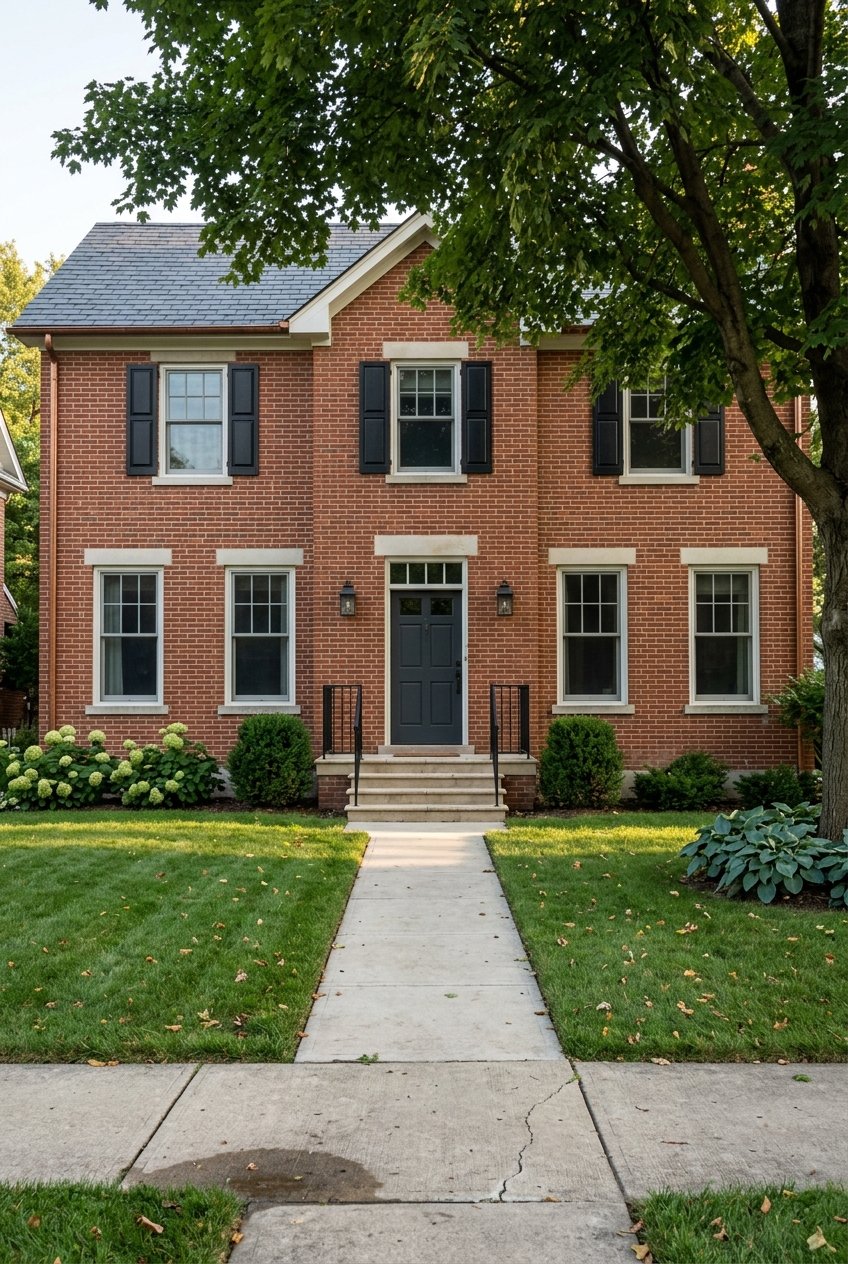
Wilmette’s housing stock is much more concentrated in detached ownership housing. According to the village’s housing needs analysis, about 79% of homes are single-family, 6% are townhomes, 3% are in 2 to 19 unit buildings, and 12% are in 20 or more unit buildings. About 89% of homes are owner-occupied.
If your search is centered on detached homes and a more traditional suburban housing pattern, that structure may appeal to you. It also helps explain why Wilmette often feels more limited in housing type compared with Evanston.
Price points differ significantly
The current price gap between the two markets is substantial. In March 2026, Evanston’s median sale price was about $392,750, while Wilmette’s was about $950,000.
Condo pricing also reflects that difference. Current median condo list prices are around $319,000 in Evanston and about $420,000 in Wilmette, while Evanston townhouses are around a $499,000 median listing price. In practical terms, Evanston generally offers a broader range of price options, while Wilmette sits in a higher tier overall.
Lakefront Experience and Recreation
Evanston has multiple public beaches
Evanston’s lakefront feels integrated into the city itself. The shoreline includes miles of scenic paths, sandy beaches, and six beaches: Clark Street, Greenwood Street, Lee Street, Lighthouse, South Boulevard, and Lincoln Street, which is managed by Northwestern University.
For many buyers, that creates a more flexible beach lifestyle. You are not relying on one main access point, and the overall experience feels spread out across the community rather than centered in one park.
Wilmette centers on park-based lakefront access
Wilmette’s lakefront experience is more concentrated around Gillson Park. The village describes Gillson as 60 acres of lakefront property with space for picnics, bicycling, volleyball, soccer, tennis, and other recreation. The village also highlights Elmwood Dunes Preserve as a restored bluff-and-dune ecosystem.
That setup can be a great fit if you picture your lakefront time as a park outing rather than a string of beach stops. It is worth noting that the village restricts street parking in the Gillson and Langdon Park areas from Memorial Day to Labor Day, which points to heavier demand around those access points.
Downtown Feel and Daily Convenience
Evanston has more districts and more variety
Evanston has a larger commercial footprint. The city says it has nine business districts, and downtown Evanston includes more than 60 restaurants along with retail, arts, entertainment, and rooftop bars. The city also reports more than 6 million annual visitors downtown.
Beyond downtown, Evanston includes distinct business areas such as Main-Dempster Mile, Central Street, Noyes, Howard Street, West End, Church & Dodge, Ashland Arts, and West Village. If you value having multiple pockets for dining, errands, and everyday activity, Evanston offers a more layered setup.
Wilmette feels more compact and convenient
Wilmette has seven commercial districts, with downtown Wilmette centered around the Metra station. The village describes downtown as home to many restaurants and specialty stores, with a planning goal of supporting retail, dining, and entertainment while maintaining a historic small-town character.
One practical advantage is parking. Wilmette says all on-street parking downtown is free, and the village also maintains multiple free off-street lots. If you care about easy stops for errands or dining without thinking much about parking, that is a meaningful point in Wilmette’s favor.
Commuting and Transit Access
Evanston gives you more rail choices
Evanston has the denser transit network. The city is served by Metra, CTA, and Pace. The UP-N Metra line stops at Main, Davis, and Central, and the CTA Purple Line stops at Central, Noyes, Foster, Davis, Dempster, Main, and South Boulevard.
That kind of station density can make a big difference in your home search. If you want more options for commuting without relying as much on a car, Evanston gives you more transit coverage within the city.
Wilmette has a simpler commuter pattern
Wilmette offers a more centralized setup. The village says the UP-N Metra stops in downtown Wilmette at 722 Green Bay Avenue, the CTA Purple Line ends at Linden Avenue, and four Pace routes serve the community. The village also notes easy access to the Edens Expressway from Lake Avenue.
For some buyers, that simpler pattern is a plus. If you prefer a more straightforward commuter routine built around one main Metra stop, one CTA endpoint, and quick highway access, Wilmette can feel easier to navigate.
Which Community Fits Your Priorities?
Choose Evanston if you want flexibility
Evanston may be the stronger fit if your priorities include:
- More condo, townhome, and multifamily options
- A wider range of price points
- More transit stops within the community
- Multiple public beaches and lakefront access points
- A more urban, district-rich daily lifestyle
This can be especially helpful if you are weighing a first move to the North Shore, downsizing into a condo, or looking for a location that offers several ways to live within the same city.
Choose Wilmette if you want a more concentrated village feel
Wilmette may be the better match if your priorities include:
- A stronger single-family housing profile
- A more compact downtown experience
- Free and convenient downtown parking
- A park-centered lakefront lifestyle
- Comfort with a higher overall price tier
If you are drawn to a traditional village center and a housing stock that leans heavily toward detached homes, Wilmette often checks those boxes.
The Bottom Line for Your Move
There is no one-size-fits-all winner here. Evanston offers broader housing choice, more transit density, and a more varied beach and business-district experience. Wilmette offers a more concentrated village-center lifestyle, a stronger single-family focus, and a premium lakefront park feel.
The right choice depends on how you want to live day to day, what housing types you want to consider, and where your budget gives you the best options. If you want help comparing specific homes, price bands, or lifestyle tradeoffs in Evanston and Wilmette, Summerville Partners can guide you with local insight and a thoughtful, data-driven approach.
FAQs
Is Evanston or Wilmette more affordable for homebuyers?
- Evanston is generally more affordable based on current market snapshots, with a median sale price of about $392,750 in March 2026 compared with about $950,000 in Wilmette.
Which town has more condo and townhome options, Evanston or Wilmette?
- Evanston has more housing variety, including a larger share of condos, apartments, and other multifamily housing, while Wilmette is much more concentrated in single-family homes.
Which community has better transit access, Evanston or Wilmette?
- Evanston has a denser transit network, with multiple Metra and CTA Purple Line stops across the city, while Wilmette has a more centralized setup with one Metra stop, the Linden CTA endpoint, and Pace routes.
How do Evanston and Wilmette differ in lakefront access?
- Evanston offers multiple public beaches along its shoreline, while Wilmette’s lakefront recreation is more centered around Gillson Park and nearby preserved natural areas.
Which downtown is easier for quick errands, Evanston or Wilmette?
- Wilmette may be easier for quick errands because the village provides free on-street downtown parking and multiple free off-street lots.
Is Evanston or Wilmette a better fit for buyers who want more housing flexibility?
- Evanston is usually the better fit for buyers who want a broader mix of condos, townhomes, multifamily buildings, and single-family homes across a wider range of price points.