Ever wonder why Lincoln Park stays near the top of so many Chicago wish lists? If you want city living with real lakefront access, a strong mix of housing options, and streets that feel active without losing their historic character, this neighborhood offers a lot to like. Here’s what it’s actually like to live in Lincoln Park, from daily routines and housing style to transit, parks, and the feel of its different micro-areas. Let’s dive in.
Lincoln Park at a glance
Lincoln Park sits on Chicago’s North Side, roughly between Diversey Parkway and North Avenue, and from Lake Michigan to the Kennedy Expressway. It’s about two miles from downtown, which helps explain why it feels both connected and self-contained.
The neighborhood blends residential streets, retail corridors, major institutions, and one of Chicago’s most iconic public landscapes. The Lincoln Park Chamber of Commerce identifies four main commercial districts here: Armitage-Halsted, Lincoln-Halsted, Lakefront-Clark, and North-Clybourn.
Lincoln Park is also a sizable neighborhood by city standards. CMAP’s July 2025 snapshot reports 67,831 residents and 33,145 households, with an average household size of 2.0.
Daily life feels city-first and outdoorsy
One of the biggest draws of Lincoln Park is that the park itself is not just a backdrop. It functions as part of your everyday routine. Whether you like morning runs, bike commuting, beach access, or a quick walk after dinner, the lakefront and green space are woven into normal life here.
Lincoln Park, the park, spans 1,214 acres and includes more than 7.5 miles of lakefront trails, gardens, fields, natural areas, public art, monuments, and fountains. The park also stretches along a large portion of Chicago’s lakefront, which gives nearby residents unusual access to open space for such a dense urban area.
The Lakefront Trail adds to that convenience. The Chicago Park District says the lakefront includes a separated 18-mile bike trail and 18.5-mile pedestrian trail, making it useful for both recreation and commuting.
If you picture yourself living in a neighborhood where a walk to the lake, a ride on the trail, or time in a major park becomes part of your weekly rhythm, Lincoln Park delivers that in a very practical way.
Parks and attractions shape the lifestyle
Lincoln Park has a long list of well-known destinations, but what matters most for residents is how often those places become part of normal life. You are not driving across town for greenery or weekend activities. In many parts of the neighborhood, they are right outside your door.
The Lincoln Park Zoo is one of the best examples. It is free, open 365 days a year, and set on 49 acres with more than 170 species, making it a consistent neighborhood anchor for both residents and visitors.
The Lincoln Park Conservatory adds another layer to the area’s appeal. Completed in 1895, it helps give the neighborhood a green, historic feel even beyond the shoreline.
You also have access to places like the Peggy Notebaert Nature Museum and North Avenue Beach within Lincoln Park. On top of that, smaller local parks such as Oz Park, Jonquil Park, and Bauler Park add more everyday green space inside the residential grid.
Housing in Lincoln Park is varied
Lincoln Park is not a one-note housing market. That is important if you are trying to picture yourself here, because the neighborhood offers more variety than many buyers expect.
According to CMAP, 45.5% of housing units are owner-occupied and 54.5% are renter-occupied. The housing stock is also dense and compact, with 43.4% of units in buildings with 20 or more units, and 40.3% of homes classified as studios or one-bedrooms.
At the same time, the neighborhood is not defined only by larger condo buildings. Buyers will also see attached single-family homes, three-flat and four-flat buildings, detached homes, walk-ups, courtyard buildings, and mid-rise condos.
That mix makes Lincoln Park appealing to a wide range of buyers. You can find everything from a smaller condo near transit to a vintage row house on a quieter interior block.
Historic character stands out
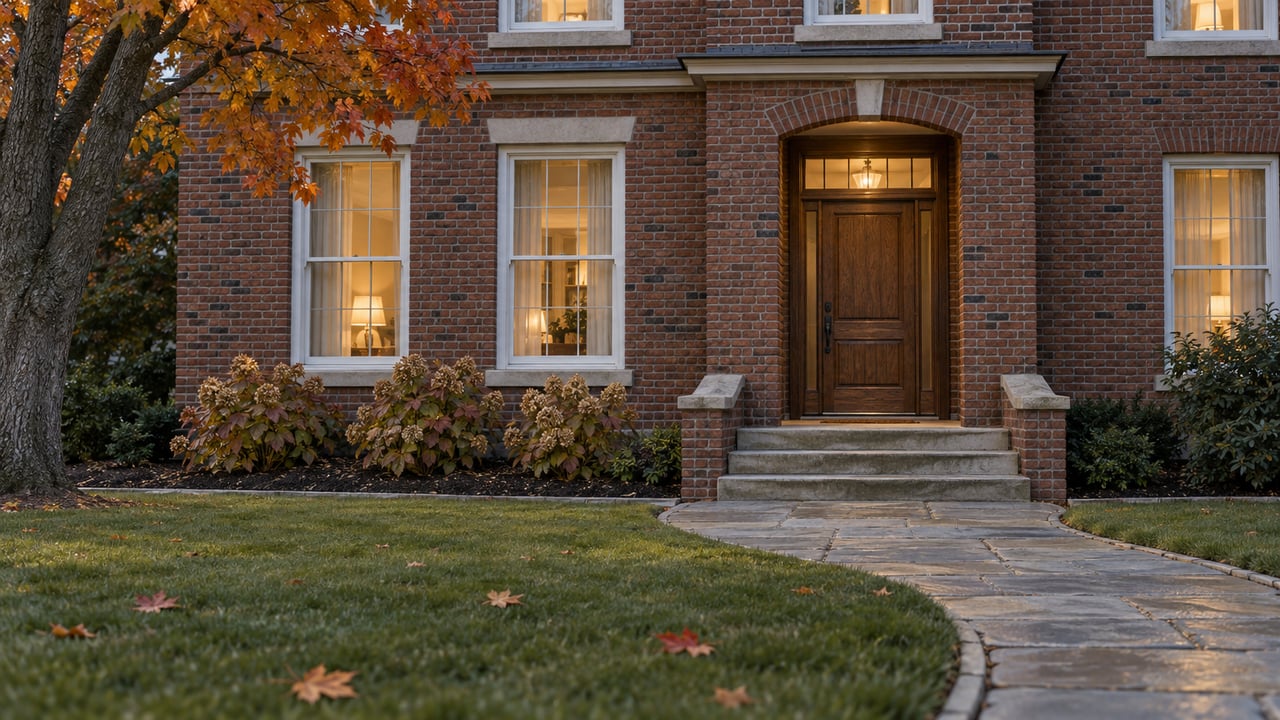
A big part of Lincoln Park’s identity comes from its architecture. Many streets have the kind of visual texture that makes a neighborhood feel established right away.
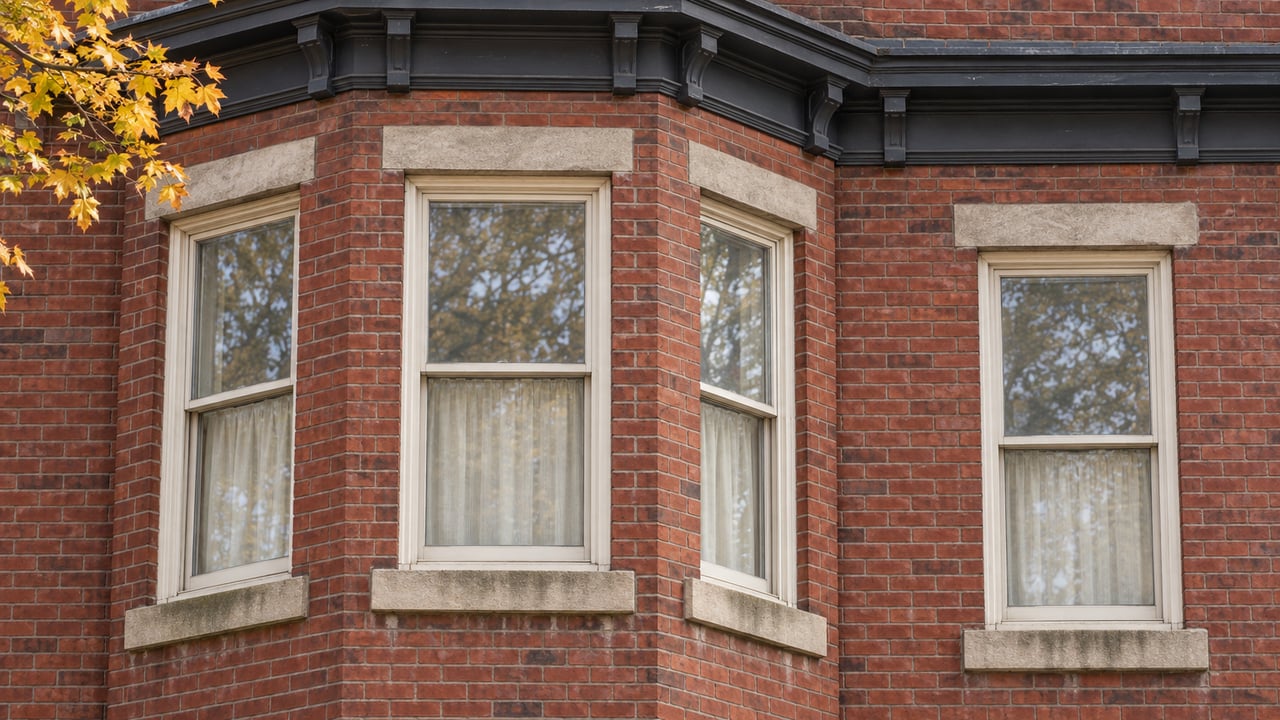
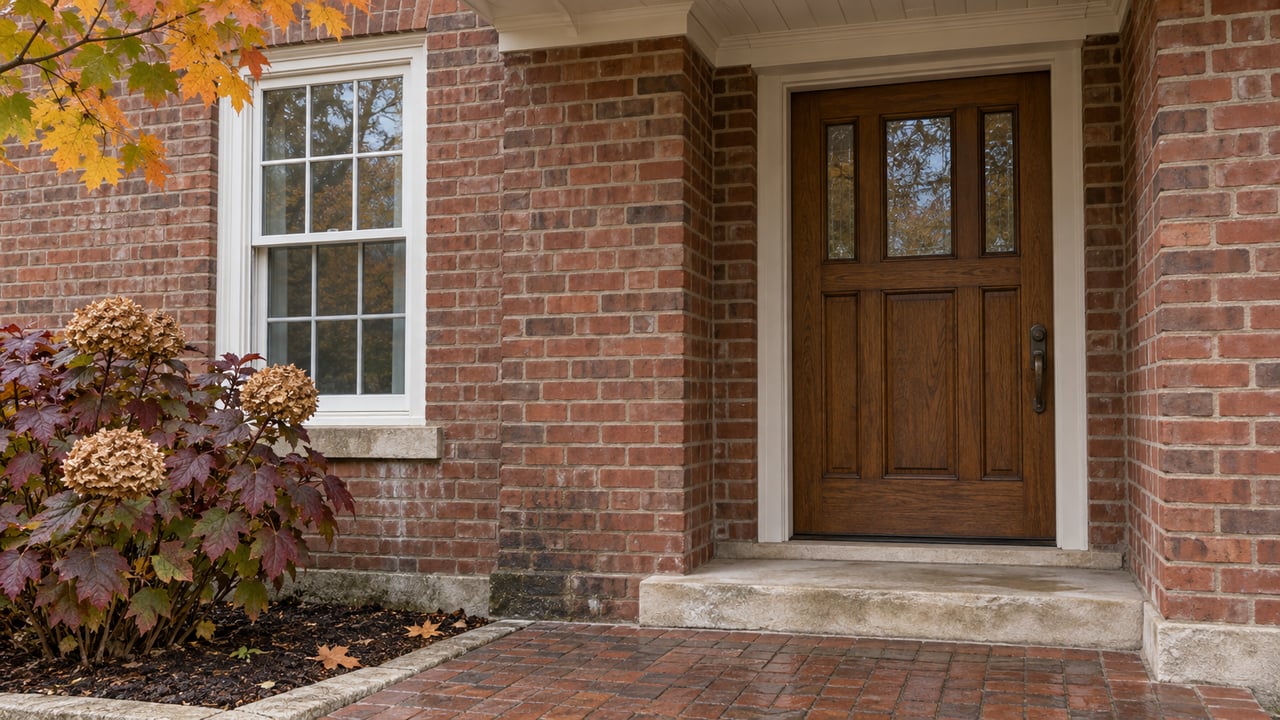
CMAP reports that 33.9% of the housing stock was built before 1940. That helps explain why so many blocks feel defined by older brick and limestone buildings rather than uniform new construction.
Chicago Landmarks identifies several local row house districts, including the Burling Row House District, Fremont Row House District, and Lincoln Avenue Row House District. These districts highlight the neighborhood’s 1870s Italianate masonry housing and reinforce Lincoln Park’s long-standing architectural appeal.
In everyday terms, the look is often historic brick and stone mixed with newer infill. If you value architectural detail and a neighborhood that feels layered rather than newly built all at once, Lincoln Park has that character.
Transit makes living here easier
Lincoln Park works well for people who want options beyond driving. That is one of the neighborhood’s strongest lifestyle advantages.
CTA access is extensive. The Red Line offers 24-hour service, and nearby stations include Fullerton, Armitage, Sedgwick, North/Clybourn, and Clark/Division. The Purple Line also runs local service between Linden and Howard, with weekday rush-period express service downtown.
CMAP’s data supports the idea that many residents live a car-light lifestyle. About 29.7% of workers use transit, 8.2% walk or bike, 29.8% work from home, and 32.6% of households have no vehicle available.
That does not mean every resident lives car-free. It does mean you can realistically choose a routine centered on transit, walking, biking, or a mix of all three.
The neighborhood changes by micro-area
One of the best ways to understand Lincoln Park is to think of it as a collection of smaller zones. The overall neighborhood has a consistent identity, but your day-to-day experience can feel different depending on where you live.
Lakefront and park-edge blocks
If you want the most outdoor-oriented version of Lincoln Park living, look toward the lakefront and park-edge areas. These blocks put you closer to beaches, trails, the zoo, and major park landscapes.
This part of the neighborhood often appeals to people who want open views, easy access to recreation, and a strong connection to the lake. The tradeoff is that these areas can feel more active and destination-driven than interior residential streets.
Armitage-Halsted and Lincoln-Halsted
These corridors are useful shorthand for a more animated street scene. The Chamber identifies both as major commercial districts, and they are often where you feel the neighborhood’s dining and boutique energy most clearly.
If you like being near cafés, shopping, and active sidewalks, these areas may feel like the heart of daily convenience. You are choosing a more energetic version of Lincoln Park living here.
North-Clybourn
North-Clybourn tends to stand out for retail access and transit convenience. The North/Clybourn station adds Red Line proximity, bus connections, and indoor bike parking.
This area may appeal if you want immediate shopping access and easy commuting options. Compared with quieter residential pockets, it can feel more functional and fast-moving.
DePaul and central transit areas
DePaul University is one of Lincoln Park’s major economic anchors, and its presence shapes parts of the neighborhood. Combined with transit access and a large share of smaller units, this creates a more rental-heavy, active environment in some central areas.
If you are looking for a lively, connected setting with plenty of movement throughout the day, this part of Lincoln Park may fit. It often attracts students, faculty, and young professionals.
Interior blocks near small parks
If you prefer a more residential feel, quieter interior streets near parks like Oz Park, Jonquil Park, and Bauler Park may be the best match. These pockets still keep you close to the neighborhood’s amenities, but the day-to-day pace can feel a bit calmer.
For many buyers, this is where Lincoln Park’s balance becomes most clear. You still get city access, but with nearby green space and a more tucked-in residential setting.
What the numbers say about living here
Lincoln Park combines density with convenience. CMAP data shows an average commute time of 31.4 minutes, which helps frame the neighborhood as well-connected but still distinctly urban.
The area also reflects a near-even owner-renter split, which contributes to a broad housing mix and a wide range of living arrangements. In practical terms, that means you are likely to find both long-term homeowners and residents drawn by flexibility, transit access, and smaller-unit housing.
The neighborhood’s median household income of $137,505 also points to a high-demand market with strong consumer spending and a well-developed local business environment. For buyers, that often translates to an area with established amenities and consistent interest.
Who tends to like Lincoln Park most
Lincoln Park can work for many kinds of buyers, but it tends to resonate most with people who want more than one benefit at the same time. You are not choosing between city convenience and outdoor access here. You are often getting both.
You may find Lincoln Park especially appealing if you want:
- Quick access to downtown without living in the center of downtown
- Regular use of parks, trails, beaches, and lakefront space
- A mix of condos, vintage buildings, row houses, and some single-family options
- Transit access that can reduce your dependence on a car
- Historic architecture mixed with everyday retail and dining convenience
That combination is a big reason the neighborhood attracts both buyers trying city living for the first time and longtime Chicago residents who want a highly livable North Side location.
Final thoughts on Lincoln Park living
Living in Lincoln Park means choosing a neighborhood that feels distinctly urban but unusually green. It is dense without being defined only by towers, historic without feeling frozen in time, and connected without requiring you to drive everywhere.
For some buyers, the biggest draw is the lakefront. For others, it is the architecture, the transit access, or the variety of housing. The real appeal is how all of those pieces come together in one place.
If you are comparing Lincoln Park with other lake-adjacent Chicago neighborhoods, local context matters. The right fit often comes down to housing style, block-by-block feel, and how you want your daily routine to work. If you want experienced guidance as you explore Chicago’s lakefront neighborhoods, Summerville Partners is here to help.
FAQs
What is daily life like in Lincoln Park, Chicago?
- Daily life in Lincoln Park often centers on a mix of city convenience and outdoor access, with easy connections to parks, the lakefront, trails, transit, shops, and dining corridors.
What types of homes are common in Lincoln Park?
- Lincoln Park includes a broad mix of housing, including vintage row houses, courtyard buildings, walk-ups, condos, attached single-family homes, and some detached houses.
Is Lincoln Park a good neighborhood for car-light living?
- Lincoln Park supports car-light living with CTA rail access, bus routes, bike lanes, lakefront trails, and a sizable share of households that do not have a vehicle.
What makes Lincoln Park different from other Chicago neighborhoods?
- Lincoln Park stands out for its combination of historic architecture, major park access, lakefront recreation, varied housing stock, and strong transit connectivity close to downtown.
Which parts of Lincoln Park feel the most residential?
- Interior blocks near smaller parks such as Oz Park, Jonquil Park, and Bauler Park often feel more residential while still keeping you close to the neighborhood’s amenities.