Thinking about buying a condo in Lincoln Park? You are not alone. This is one of Chicago’s most in-demand condo markets, and the options can vary dramatically from one block to the next. If you want to buy with confidence, it helps to understand how Lincoln Park’s building types, HOA documents, and location details can shape both your lifestyle and your long-term costs. Let’s dive in.
Why Lincoln Park Condo Buying Takes Strategy
Lincoln Park offers a wide range of condo choices, from smaller vintage walk-ups to larger elevator buildings and fuller-amenity properties. As of June 7, 2026, there were 76 condos for sale, with a median listing price of $650,000, typical market time of 26 days, and 11 offers. Over the three months ending April 2026, the broader Lincoln Park median sale price was $792,705, up 3.3% year over year.
That range matters because price alone does not tell you much here. Current condo listings span roughly $175,000 to $2.795 million, which means two homes in the same neighborhood can offer very different building quality, monthly dues, and ownership experience. In Lincoln Park, smart condo buying starts with understanding the building, not just the unit finishes.
Lincoln Park Building Types Matter
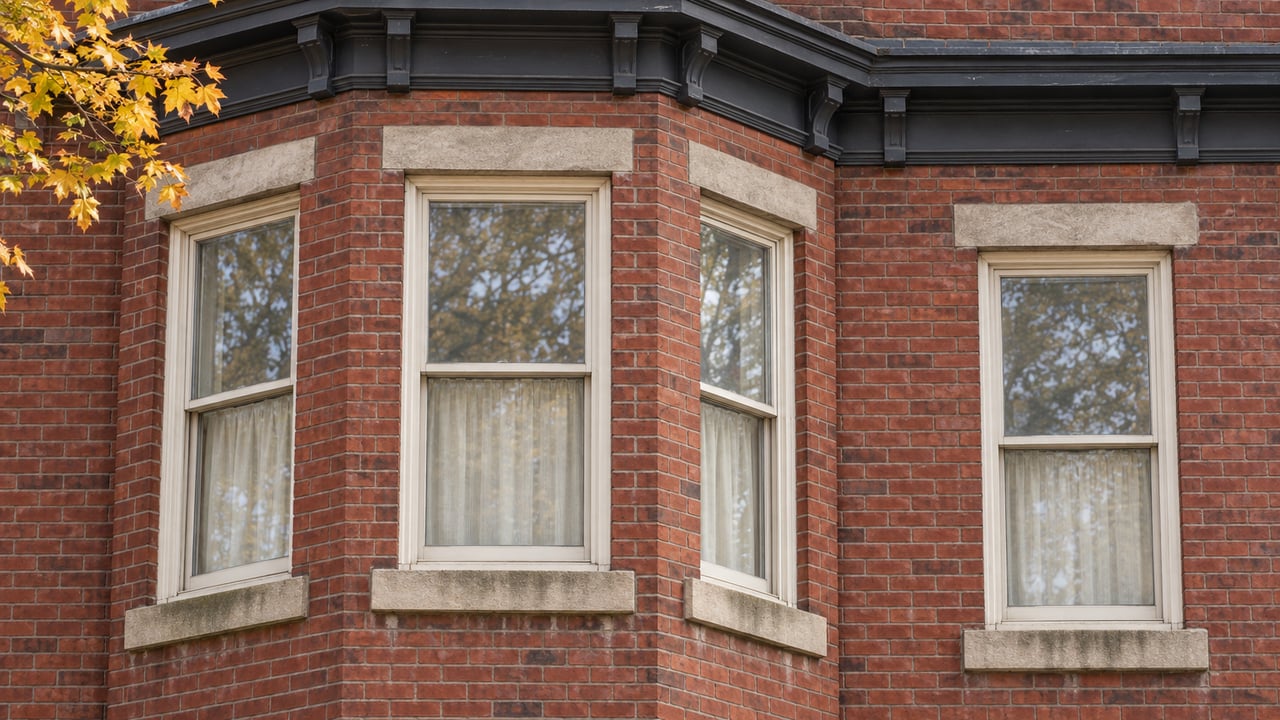
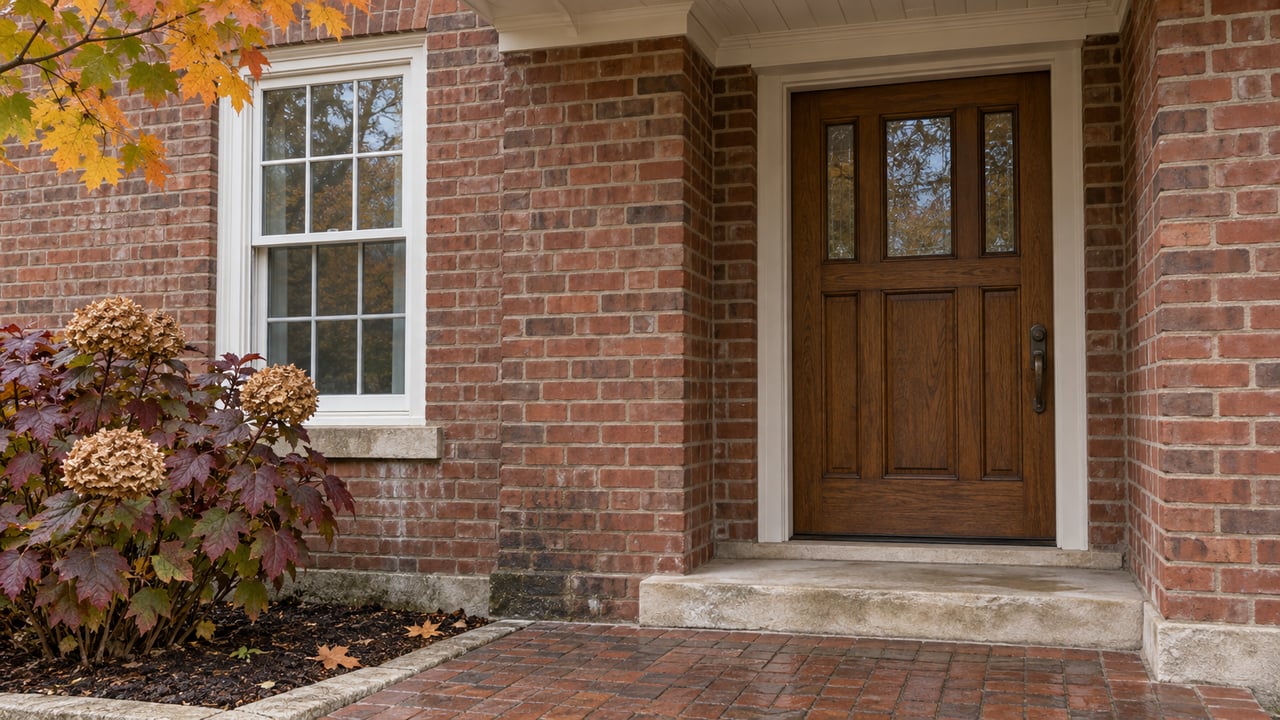
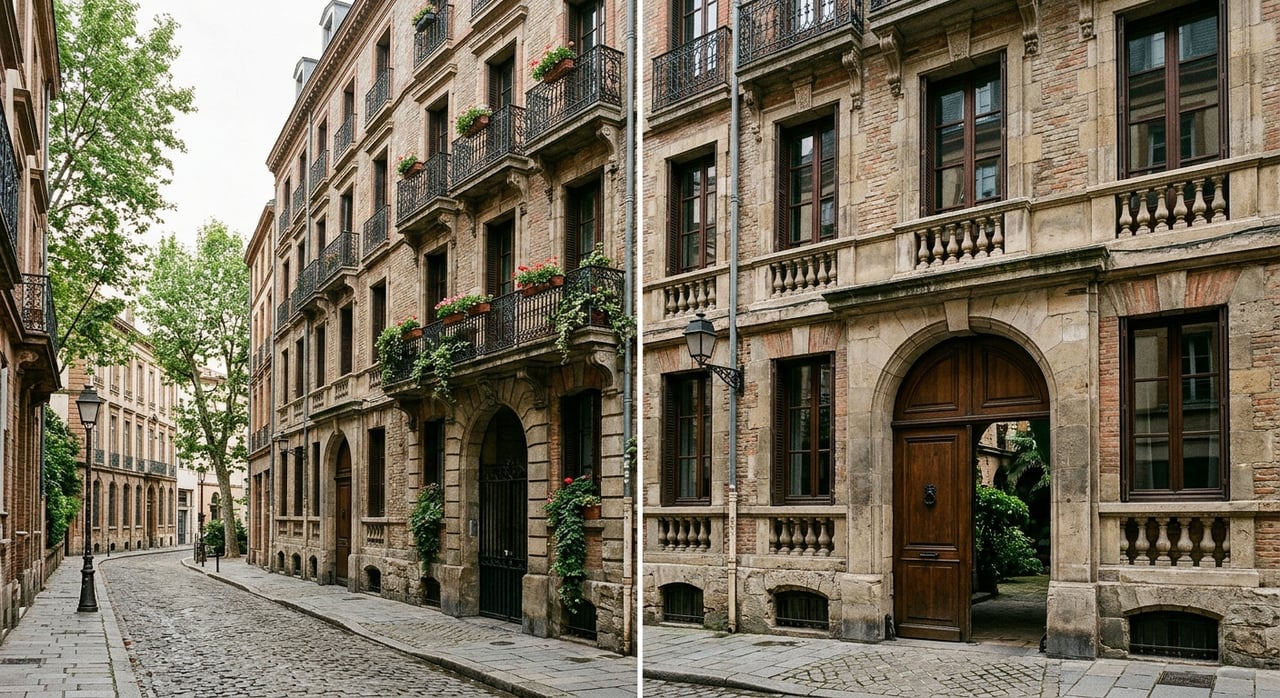
One of the most important parts of buying a condo in Lincoln Park is knowing what kind of building you are buying into. The neighborhood includes a mix of historic row houses, three-flats, six-flats, nine-flats, early apartment buildings, and larger elevator properties. That variety is part of Lincoln Park’s appeal, but it also means your day-to-day experience can look very different depending on the building profile.
Chicago landmark records point to strong concentrations of Italianate architecture in Lincoln Park, along with districts that include row houses and multi-unit masonry buildings. The neighborhood also includes early high-rise apartment forms like Brewster Apartments. For you as a buyer, that mix helps explain why one condo may offer vintage charm and lower shared amenities, while another may offer elevators, parking, and broader building services.
Vintage Walk-Ups and Conversions
Vintage walk-ups and smaller conversion buildings often attract buyers who value architectural character and a more intimate building size. These properties may have lower amenity packages, but they can offer appealing details and a more boutique feel. In many cases, you are trading scale and services for charm and a smaller association.
That tradeoff is not automatically good or bad. It depends on how you live. If you want simple monthly ownership with fewer common amenities, a smaller building may fit. If you want more shared services and convenience features, a different building type may make more sense.
Elevator and Amenity Buildings
Larger elevator buildings often come with features like parking, elevators, and additional shared services. Those benefits can support daily convenience, especially if you want easier access, more predictable building operations, or a broader amenity package. In exchange, monthly HOA dues are often higher.
This is where many buyers make a common mistake. A lower HOA fee may look appealing at first, but it does not always mean better value. You need to understand what the dues cover, how well the association plans ahead, and whether the building is keeping up with repairs and capital needs.
Why HOA Review Is So Important
In Lincoln Park, a beautiful unit does not always mean a healthy building. Illinois condo law gives buyers access to important association documents, and those records can reveal far more than a showing ever will. If you are serious about a condo, document review is one of the most important parts of the process.
On a resale, the association must provide the declaration, bylaws, rules and regulations, unpaid assessments and liens, anticipated capital expenditures, reserve status, financial condition, pending suits or judgments, insurance coverage, and association contact information. On initial sales and conversion condos, required disclosures can also include repair and maintenance spending, reserve provisions, and in larger developments, an engineer’s report on structural components and major utilities.
What to Look For in the Documents
When you review condo documents, focus on the details that affect both cost and livability. Start with these:
- Reserve fund levels
- Planned capital projects
- Recent assessment history
- Pending litigation or judgments
- Insurance information
- Unpaid assessments or liens
- Rules for pets
- Leasing limits
- Move-in and move-out fees
- Renovation approval requirements
- Storage and parking rules
These items help you understand whether the building fits your lifestyle and whether the association appears well managed. A condo can show beautifully and still come with restrictions or financial issues that matter to you after closing.
Low Dues Are Not Always Better
It is easy to assume lower HOA dues are a win. Sometimes they are, but not always. If reserves are thin or major work is approaching, lower dues today can turn into larger costs later.
Illinois law gives owners a procedural check if a budget or separate assessment would push total assessments above 115% of the prior year, allowing owners with 20% of the votes to petition for a meeting. Emergency or legally required assessments can still move forward, so this is not a shield from future costs. For you, the practical takeaway is simple: review reserves, upcoming projects, and assessment history before treating a low monthly fee as a major advantage.
Location Details That Change Condo Value
In Lincoln Park, location is more than a map pin. Small differences in proximity to the lakefront, parks, and CTA stations can shape your daily routine and influence how buyers compare homes. That makes location details a core part of condo value.
The area’s access to parkland is a major draw. Lincoln Park spans 1,188.62 acres along the lakefront, and nearby attractions include Lincoln Park Zoo, the Lincoln Park Conservatory, North Avenue Beach, the Chicago History Museum, the Peggy Notebaert Nature Museum, and the Alfred Caldwell Lily Pool. For many buyers, this is not just a lifestyle bonus. It is part of the reason the neighborhood stays in high demand.
Transit Access Counts
CTA access is another major factor. The Red Line provides 24-hour service, and Lincoln Park is served by nearby stations including Fullerton, Armitage, and Diversey. Fullerton serves the Red, Brown, and Purple lines, while Armitage and Diversey serve the Brown and Purple lines.
If you are comparing condos, distance to transit can matter as much as square footage. A home with a shorter walk to the train may better support car-light living and easier day-to-day mobility. In a neighborhood like Lincoln Park, convenience on foot often carries real value.
Walkability Shapes Daily Life
Lincoln Park is described as very walkable, with a Walk Score of 94. In practical terms, that means many buyers weigh access to groceries, dining, parks, and transit very heavily. The unit itself matters, but so does how easily the building connects you to the neighborhood.
When you tour, pay attention to the route from the front door to the places you would use most. That may include the train, the lakefront, grocery stores, or local dining corridors. In Lincoln Park, everyday convenience can be one of the biggest differences between a condo that looks good and one that truly works for you.
A Smart Condo Touring Checklist
Before you fall in love with finishes, build a process for comparing buildings clearly. In Lincoln Park, the biggest differences often come from association health, rules, and building profile rather than staging or cosmetic updates.
Use this checklist as you tour and narrow your options:
- Ask for the association documents early
- Review reserves and the capital plan
- Confirm any pending litigation or insurance concerns
- Read the declaration, bylaws, and rules
- Check pet, leasing, renovation, storage, and parking policies
- Compare dues with the services and amenities provided
- Look at how close the building is to transit, parks, and daily errands
- Consider whether the building type fits your long-term lifestyle
This simple framework can help you avoid costly surprises. It also helps you compare condos on substance, not just presentation.
How to Compare Two Very Different Condos
A common Lincoln Park decision is choosing between two condos that appeal for completely different reasons. One may be in a smaller historic building with character and lower dues. Another may be in a larger building with an elevator, parking, and more services.
The better choice depends on your priorities. If you value architectural character, a smaller association, and a lower amenity lifestyle, a vintage building may be the better fit. If you want convenience features and a more service-oriented ownership experience, paying higher dues in a larger building may feel worthwhile.
This is where an experienced, data-driven buyer strategy matters. You want to evaluate not only what you are buying today, but how the building will support your life and budget over time.
If you are planning a condo purchase in Lincoln Park, working with a team that understands building differences, local pricing, and buyer due diligence can make the process far smoother. Summerville Partners brings a thoughtful, relationship-first approach to helping buyers evaluate options, negotiate strategically, and move forward with confidence.
FAQs
What should you review before buying a condo in Lincoln Park?
- You should review the declaration, bylaws, rules and regulations, reserve status, anticipated capital expenditures, financial condition, pending litigation or judgments, insurance coverage, and any unpaid assessments or liens.
Why do HOA dues vary so much for Lincoln Park condos?
- HOA dues can vary based on building type, shared services, amenity level, reserve planning, and upcoming repair or capital needs.
What building types can you find in Lincoln Park condos?
- Lincoln Park includes vintage walk-ups, smaller conversion buildings, row house-style properties, early apartment buildings, and larger elevator buildings.
Why does transit matter when buying a Lincoln Park condo?
- Transit access can support car-light living and make a meaningful difference in convenience, daily routine, and how buyers compare one property to another.
How does Lincoln Park location affect condo value?
- Proximity to lakefront park space, attractions, CTA service, and walkable daily amenities often plays a major role in how buyers judge value in Lincoln Park.