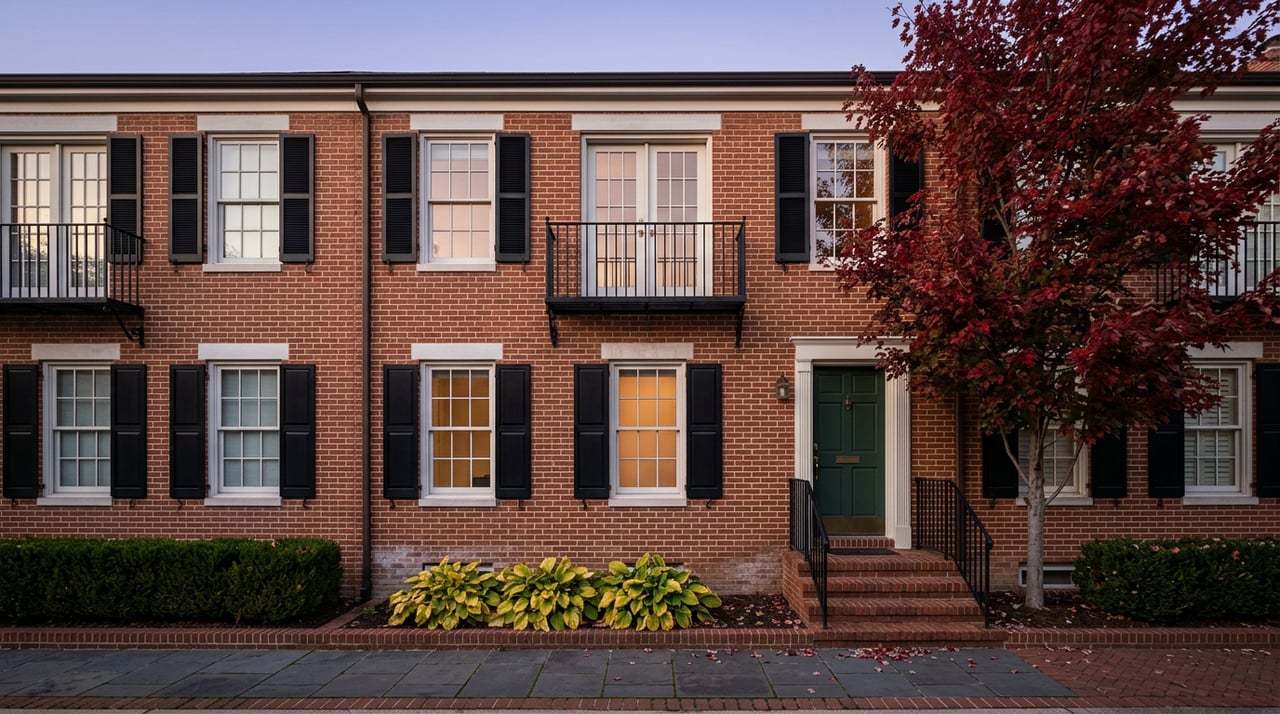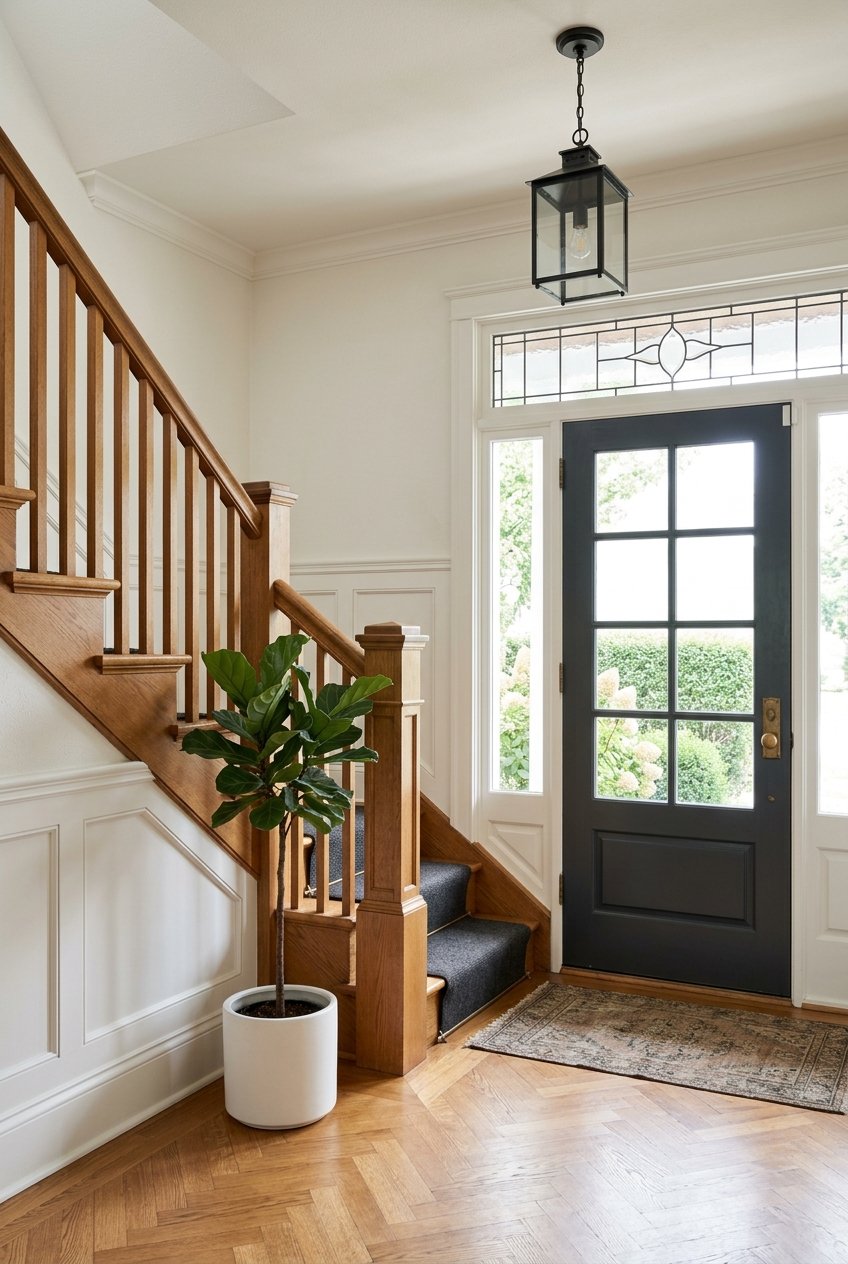
Selling a historic home in Evanston is not the same as selling just any older house. Before you paint, replace windows, or plan a polished pre-listing refresh, you need to know how the property is classified and what rules may apply. If you want to protect value, avoid delays, and present your home with confidence, a thoughtful plan matters from the start. Let’s dive in.
Know Your Home’s Historic Status
Your first step is to confirm whether your property is a local landmark, located in a local historic district, or simply an older home with historic character. In Evanston, that distinction matters because the city has five National Register Historic Districts, four Local Historic Districts, and more than 850 registered individual local landmarks.
If your home is only on the city’s study list, it may be identified as historically or architecturally significant without being formally designated. In that case, it does not require a Certificate of Appropriateness unless it later becomes designated. For individual landmarks, Evanston also uses Statements of Significance to document the features that matter most and identify character-defining elements where change should be minimized.
For sellers, this is more than a technical detail. Your home’s status can affect what exterior work requires review, how you plan repairs, and how you discuss updates with buyers.
Why status matters before listing
Many sellers assume the process starts with staging or cosmetic improvements. With a historic home, the smarter first move is verifying preservation status so you do not accidentally begin a project that needs approval.
This is especially important if you are considering exterior repairs before going on the market. Window replacement, door changes, storm windows, or other visible work may trigger review depending on the property’s designation.
Confirm Exterior Approvals Early
Evanston’s preservation framework is designed to manage change, not prevent it. If your property is a local landmark or located in a local historic district, a Certificate of Appropriateness is generally required for exterior work visible from a public way.
The city also notes that building permits are not issued until the Certificate of Appropriateness is approved. That means a pre-listing project can affect your timeline if you start work without checking requirements first.
What work may require review
Under Evanston’s municipal code, review may be required before work such as:
- Permit-triggering exterior alterations
- Replacement of windows or doors
- Addition or replacement of storm windows or storm doors
- Demolition in whole or in part
- Other land-altering work that requires a permit
Even if a project seems minor, it can still become a preservation issue if it changes the exterior appearance.
What usually does not require review
Routine maintenance that does not change the design, materials, or general appearance generally does not require review. That can include basic upkeep rather than visible alteration.
Still, it is wise to confirm your plans before spending money. Evanston recommends consulting a Preservation Planner before undertaking a project, and some historic properties may also be eligible for preservation incentives.
Repair first, replace carefully
When you are preparing a historic home for sale, preservation guidance points in a clear direction. Distinctive materials and character-defining features should be preserved when possible, and repair is generally preferred over replacement.
If replacement cannot be avoided, the new work should match the old in design, color, texture, and, where possible, materials. That approach can help you protect both architectural character and market appeal.
Use a Pre-Listing Inspection Strategically
A pre-listing inspection is not required, but it can be a smart move for many Evanston sellers. It can identify issues before buyers discover them, giving you time to decide what to repair, what to disclose, and how to price the home more accurately.
A typical pre-sale inspection may cover the structure, exterior, roof, plumbing, electrical, HVAC, interiors, ventilation, insulation, and fireplaces. It may also include testing for mold, radon gas, lead paint, and asbestos.
Why older homes benefit from early inspection
Historic homes often have a longer list of systems, materials, and maintenance histories to sort through. Learning about concerns early can help you avoid surprise negotiations later.
It can also help you prioritize repairs that support marketability without rushing into changes that may need preservation review. In many cases, early clarity leads to a smoother sale.
Prepare for Illinois Disclosure Requirements
In Illinois, sellers generally must deliver the Residential Real Property Disclosure Report before signing a contract. The purpose is to disclose material defects that could affect value or safety.
This step deserves careful attention. Illinois law makes clear that completing the disclosure report creates legal obligations, and knowingly false disclosures can create liability.
Historic homes and lead-based paint
For older Evanston homes, lead-based paint is a common concern to address early. Federal law requires sellers of most pre-1978 housing to disclose known lead-based paint and known lead hazards before a buyer signs a contract.
The age of the home matters here. According to the EPA, homes built before 1978 may contain lead-based paint, and older homes are more likely to have it. The EPA also reports that 87% of homes built before 1940 and 24% of homes built from 1960 to 1978 contain some lead-based paint.
Inherited homes need extra review
If you are selling an inherited historic home, disclosure and title questions may need closer review. Illinois provides exemptions for certain transfers by fiduciaries in decedents’ estates and some direct transfers from a decedent, but once title passes to heirs, the exact deed path matters.
This is one area where legal guidance is especially important. It is best to confirm disclosure obligations, title details, and any estate-related questions with counsel.
Stage the Architecture, Not Around It
Historic homes often win buyers over through detail and character. Your goal is not to hide age with overly trendy styling. It is to help buyers see the home clearly and appreciate what makes it special.
That is where thoughtful staging matters. According to the National Association of Realtors’ 2025 staging report, 83% of buyers’ agents said staging made it easier for a buyer to envision the property as a future home, 29% of agents reported a 1% to 10% increase in the dollar value offered, and 49% of sellers’ agents said staging reduced time on market.
Focus on the most important rooms
The same report found that the living room, primary bedroom, and kitchen were the most important rooms to stage. For a historic home, those spaces should feel inviting while still keeping original features front and center.
Think about simplifying each room so architectural details remain visible. Woodwork, built-ins, fireplaces, stair details, plaster, and original windows often do more of the selling than extra furniture ever could.
Simple staging moves that help
A strong historic-home presentation often includes:
- Decluttering surfaces and visual distractions
- Cleaning windows, walls, fixtures, and floors
- Improving curb appeal with tidy landscaping and an inviting front entrance
- Using furniture placement that highlights room flow and scale
- Letting period details remain visually central in photos and showings
Photos, videos, and virtual tours also matter. When a historic home is clean, edited, and well lit, its architecture can carry the story of the listing.
Price From Today’s Market
One of the biggest mistakes sellers make with historic homes is assuming charm alone sets the price. Character matters, but buyers and appraisers still look at market conditions, comparable sales, condition, and overall presentation.
That is why pricing should come from current market data, not memory, renovation cost, or emotional attachment. A local comparative market analysis is often the starting point, and in some cases an independent appraisal may also be helpful.
Separate pricing from tax planning
It also helps to keep two conversations separate. One conversation is about preparing, presenting, and pricing the home for the market. The other is about what the sale means for taxes, legal obligations, or estate planning.
For example, IRS guidance says a main-home sale may qualify for a gain exclusion of up to $250,000, or up to $500,000 for certain married couples filing jointly, if ownership and use tests are met. For inherited property, basis is generally the fair market value at the date of death, which can significantly affect gain calculations.
Those are important issues, but they are not pricing strategy. In practice, your listing plan and your tax planning should work alongside one another, with legal and tax questions handled by the right professionals.
A Smart Evanston Selling Plan
If you are preparing to sell a historic home in Evanston, the process usually works best in a clear order. First, confirm the home’s preservation status. Next, review any planned exterior work before making changes.
Then use inspections, disclosures, staging, and pricing to build a listing strategy that respects the home’s architecture and supports a strong market debut. When each step is handled thoughtfully, you can protect value and avoid preventable setbacks.
Selling a historic property is both practical and personal. With the right guidance, you can honor the home’s character while making the transaction smoother for yourself and more compelling for buyers.
When you’re ready for a thoughtful, design-forward strategy tailored to Evanston’s historic housing stock, Summerville Partners can help you plan your next move with confidence.
FAQs
How can you tell if your Evanston home is a landmark or in a historic district?
- Start by confirming whether the property is an individual local landmark, located in a local historic district, in a National Register district, or simply an older home with historic character, because each status affects how exterior changes may be handled.
Do you need approval to replace windows before selling a historic home in Evanston?
- If your property is a local landmark or in a local historic district, replacement of windows, doors, and storm windows may require a Certificate of Appropriateness before work begins.
Should you get a pre-listing inspection for an older Evanston home?
- A pre-listing inspection is optional, but it can surface issues early, help you decide what to repair, and reduce surprises during buyer inspections.
What disclosures matter when selling a historic home in Illinois?
- Illinois sellers generally must provide the Residential Real Property Disclosure Report before signing a contract, and sellers of most pre-1978 homes must also disclose known lead-based paint and known lead hazards.
What should heirs do before listing an inherited historic home in Evanston?
- Heirs should confirm the deed path, disclosure obligations, and tax basis with legal counsel and a CPA before listing, because inherited-property rules can differ from a standard sale.